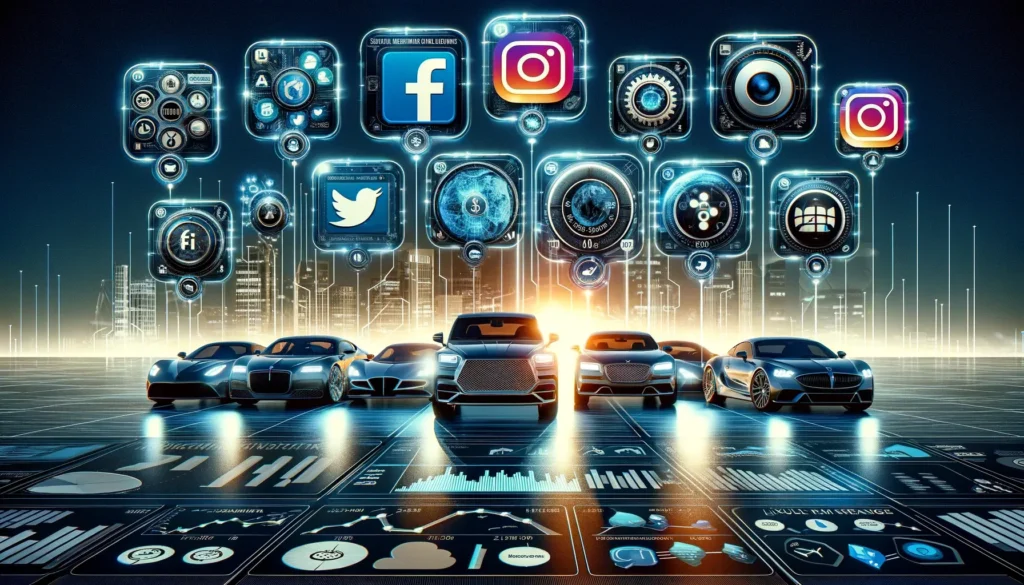
The way consumers interact with brands and make purchasing decisions has undergone a seismic shift over the last decade. For Generation Z the demographic cohort born roughly between 1997 and 2012 the customer journey rarely begins with a search engine or a visit to a physical store. It begins with a scroll. While the influence of social media on fashion, beauty, and tech is well-documented, a new trend is emerging that is disrupting the automotive industry: Gen Z buys cars via social media.
Gone are the days when buying a vehicle meant spending entire weekends haggling with salespeople on sprawling lots. For the digital-native generation, the path to car ownership is paved with TikTok videos, Instagram Reels, and targeted Facebook Marketplace listings. This article explores the mechanics behind this trend, why it resonates so strongly with Gen Z, the platforms leading the charge, and what the future holds for the automotive retail landscape.
The Shift in Consumer Behavior
To understand why Gen Z is comfortable purchasing high-ticket items like cars through social channels, we must first look at their relationship with digital content. This generation has never known a world without the internet. They are immune to traditional advertising but highly receptive to peer-to-peer recommendations and influencer authenticity.
A. Trust in Peer Validation: For Gen Z, trust is decentralized. They are less likely to believe a polished 30-second television commercial and far more likely to trust a 60-second TikTok video where a creator unboxes a new car or reviews its features. Social media provides a veneer of authenticity that traditional showrooms lack.
B. The Desire for Convenience: Time is a precious commodity. The idea of driving to multiple dealerships, sitting through test drives, and navigating complex financing paperwork feels archaic to a generation that orders food with a tap and streams movies instantly. Social media offers a frictionless way to window shop from the comfort of their couch.
C. Visual Storytelling: Cars are visual products. High-definition videos, 360-degree interior views, and aesthetic photography thrive on platforms like Instagram and TikTok. Social media allows sellers to tell a story about a vehicle—showing off its quirks, the sound of its engine, and its lifestyle fit in a way that a static listing on a classified site cannot.
How the Process Works: From Scroll to Steering Wheel
The process of buying a car via social media is not as chaotic as it might sound. It has evolved into a structured funnel that leverages the specific strengths of various platforms.
1. Discovery Through Algorithmic Content
The journey almost always begins with passive discovery. A user might be scrolling through their “For You” page on TikTok when they encounter a video from a used car dealer showcasing a rare, affordable convertible. The video might feature trending audio and quick cuts highlighting the car’s best angles. The algorithm, having noted the user’s engagement with car content, serves up more of the same.
2. Engagement and Research
Once a potential buyer sees a car they like, the research phase begins immediately, but it stays within the social ecosystem.
-
Comments Section: The buyer scrolls through comments to see if anyone has pointed out hidden flaws, asked about the price, or vouched for the seller.
-
Direct Messaging (DM): Instead of filling out a “Contact Us” form, the buyer slides into the seller’s DMs. This informal channel allows for quick questions: “Is this still available?” “What’s the mileage?” “Can you send a video of the start-up?”
3. The Transaction and Logistics
This is the most critical and surprising part of the trend. While the deal is often negotiated via DM, the actual financial transaction usually moves to more secure, dedicated platforms. However, social media remains the central hub for communication.
-
Payment: Buyers and sellers typically transition to bank transfers, payment apps, or escrow services recommended within the chat.
-
Inspection: Tech-savvy Gen Z buyers often request a video call via FaceTime or WhatsApp to see the car live, ensuring it matches the curated social media posts.
Key Platforms Powering the Trend
Not all social platforms are created equal when it comes to selling vehicles. Each serves a distinct purpose in the buyer’s journey.
A. TikTok: The Viral Showroom
TikTok is currently the king of discovery. Dealerships and private sellers have realized that a well-produced video can go viral, reaching hundreds of thousands of potential local buyers.
-
Strategy: Sellers use trends, challenges, and specific hashtags like #Carmafia or #TikTokCars to gain visibility. The focus is on entertainment first, sales second.
B. Instagram: The Visual Catalog
Instagram serves as the digital brochure. With its focus on high-quality imagery and the “Link in Bio” feature, it is excellent for showcasing inventory.
-
Strategy: Sellers use the grid for professional photos, Stories for “day in the life” content and flash sales, and Reels for quick walkarounds. The “Shop” function allows for direct tagging of vehicles.
C. Facebook Marketplace: The Transaction Hub
While considered “legacy” social media by some, Facebook Marketplace remains the heavyweight champion for actual transactions. It combines the social element (viewing a seller’s profile to ensure they are legitimate) with robust listing features.
-
Strategy: It acts as the landing page for serious buyers who have been driven there from other platforms.
Why Traditional Dealerships Are Struggling to Adapt
The traditional automotive retail model is built on information asymmetry—the dealer knows more than the buyer. Social media flips this dynamic on its head, empowering the consumer.
Many legacy dealerships struggle with this shift because:
-
Slow Adoption: They rely on their website as the central hub, pushing traffic away from social media rather than embracing it.
-
Inflexible Communication: They insist on phone calls or in-person visits, frustrating Gen Z buyers who prefer the low-pressure environment of text-based DMs.
-
Brand Control: Social media allows independent reviewers and customers to share unfiltered opinions, which can be threatening to brands used to controlling the narrative.
 The Role of Influencers and Micro-Communities
A significant driver of this trend is the rise of automotive influencers. These aren’t just celebrity car collectors; they are niche content creators who review affordable, everyday vehicles.
Gen Z trusts these influencers because they appear relatable. When an influencer partners with a dealership to showcase a specific model, it feels less like an ad and more like a recommendation from a knowledgeable friend.
Furthermore, social media fosters micro-communities. There are Facebook Groups and subreddits dedicated to specific car models (e.g., “Honda Civic Enthusiasts” or “First-Time BMW Buyers”). Within these groups, members list cars for sale to a pre-qualified, interested audience, creating a trusted environment for transactions.
Risks and How Gen Z Mitigates Them
Buying a car sight unseen via a social media ad certainly carries risks. However, Gen Z has developed a digital toolkit to combat scams and bad deals.
Common Risks:
-
Cloned Listings: Scammers steal photos of a car and list it at a too-good-to-be-true price.
-
Odometer Fraud: Misrepresentation of the vehicle’s history.
-
Title Washing: Hiding the fact that a car is a rebuilt wreck.
Mitigation Strategies:
-
Video Verification: As mentioned, requesting a live video is standard. They ask to see the car started, driven, and for specific details (like the VIN on the dashboard) to be shown live.
-
Social Proofing: They check the seller’s history. A seller with five years of consistent posting and tagged friends is far more trustworthy than a brand-new profile with zero connections.
-
Third-Party Tools: They utilize Carfax or similar services, often arranging the report themselves rather than accepting one provided by the seller.
The Future of Automotive Sales
Looking ahead, the trend of Gen Z buying cars via social media is not a fad; it is the blueprint for the future of the industry.
We can expect to see:
-
Integrated Checkout: Social platforms are aggressively moving toward in-app commerce. It is likely that within the next few years, we will see a “Buy Now” button on Instagram car posts, handling the deposit and paperwork digitally.
-
Augmented Reality (AR) Try-Ons: Imagine pointing your phone at your driveway and seeing a 3D model of a used car you found on TikTok, allowing you to visualize its size and color in your own space before messaging the seller.
-
The “Phygital” Experience: We will likely see a hybrid model emerge where discovery happens on social media, but the final handover involves a physical, yet streamlined, experience—perhaps a “vending machine” style pickup or a contactless home delivery.
Tips for Sellers: How to Market Cars to Gen Z
If you are a dealer or a private seller looking to tap into this market, the rules are different.
A. Prioritize Video Content: A photo is no longer enough. Create vertical videos. Show the car driving. Show the infotainment system working. Show the trunk space.
B. Be Transparent: Gen Z has a highly tuned “BS detector.” Be upfront about flaws in the listing. If there is a scratch, zoom in on it. This builds immense trust.
C. Engage in the Comments: Don’t just post and ghost. Reply to questions publicly. It shows you are active and accountable.
D. Humanize Your Brand: Show the faces behind the dealership. Introduce the mechanic, the salesperson, and even the office dog. Gen Z buys from people, not faceless corporations.
E. Streamline the DM Process: Have templates ready for common questions, but be prepared to deviate into casual conversation.
 Conclusion
The automotive industry is standing at a crossroads. The old guard insists that a car is too significant a purchase to be sold via a smartphone screen. Yet, Generation Z is proving them wrong every single day. They are leveraging the speed, transparency, and community of social media to bypass the traditional pain points of car buying.
By buying cars via social media, Gen Z is not just looking for a vehicle; they are looking for a seamless experience that fits their digital lifestyle. They are forcing an industry built on handshakes and paperwork to evolve into one built on hashtags, DMs, and visual storytelling. For dealerships and brands, the message is clear: adapt to the scroll, or risk being left behind.