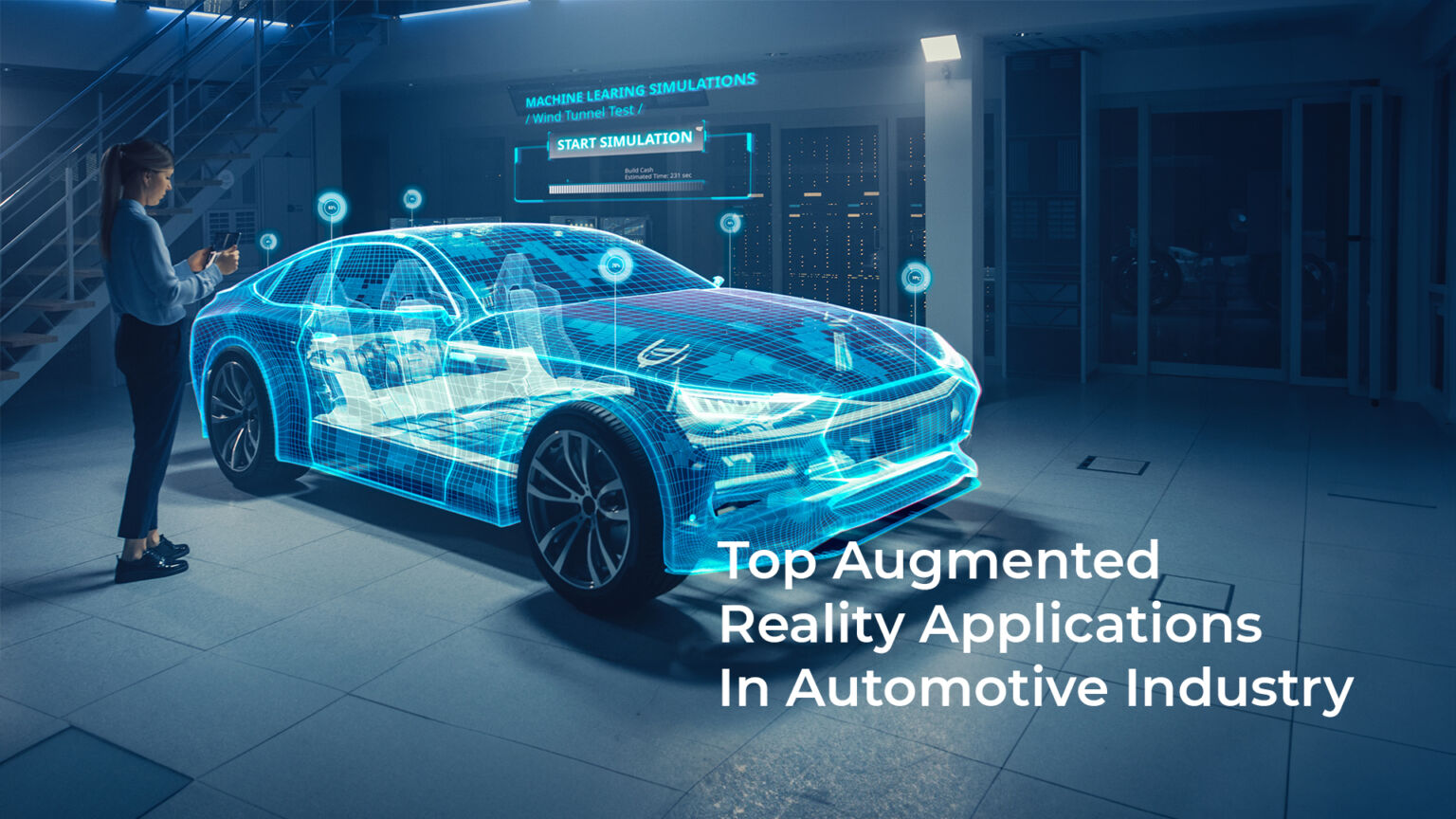
The automotive industry, a sector traditionally anchored in the tactile experience of the physical test drive and the in-person dealership handshake, is undergoing a massive digital transformation. At the forefront of this revolution is a platform better known for disappearing messages and playful dog filters: Snapchat. Through the power of Augmented Reality (AR), Snapchat is fundamentally reshaping the car-buying journey, turning a smartphone camera into a virtual showroom. This technology is not just a fleeting trend but a robust tool that bridges the gap between digital convenience and physical confidence. This article explores the mechanics, evolution, and impact of Snapchat Augmented Reality car shopping, detailing how it is changing the way consumers interact with one of their most significant life purchases.
A. The Dawn of Virtual Test Drives
Long before the fully integrated shopping experiences of today, the foundation for AR in automotive marketing was laid with the simple concept of the “virtual test drive.” As far back as 2017, luxury automakers recognized the potential of Snapchat’s camera to offer something unique. BMW was a pioneer in this space, becoming the first brand to utilize Snapchat’s “augmented trial” Lens to promote the then-new BMW X2 . This initial foray allowed users to interact with a virtual 3D version of the car directly in their environment. Instead of just watching a commercial, potential customers could place a digital model of the X2 in their physical world, walking around it and viewing it from any angle as if it were actually parked in their driveway .
This early adoption was a strategic move to capture the attention of a younger demographic. With a significant portion of its user base under 30, Snapchat offered a direct line to Generation Y and Z the future of luxury car buyers . The campaign was designed to be native to the platform, inserting the brand organically into the user’s world rather than interrupting their experience with a traditional ad. This strategy underscored a crucial insight: for younger consumers, a brand’s digital presence and the ability to interact with products through technology are just as important as the physical product itself .
B. The Mechanics of Modern AR Car Shopping
Since those early experiments, the technology has matured significantly. What began as a novel way to view a car has evolved into a sophisticated, data-driven shopping tool. Today’s Snapchat AR Car Shopping experiences are built on a robust technological foundation that combines machine learning, real-time data, and seamless e-commerce integration.
1. Camera as the New Point of Sale
The core of this innovation is the smartphone camera, which Snapchat has transformed from a passive recording device into an active “Scan” tool. The Snapchat camera can now recognize real-world objects, including specific car models. By pointing the camera at a vehicle, users can unlock a suite of digital services, effectively turning any car on the street into a potential entry point for a purchase journey .
2. Catalog-Powered Shopping Lenses
A major leap forward came with the introduction of Catalog-Powered Shopping Lenses. This feature allows brands to connect their entire product inventory directly to an AR experience. When a user interacts with a car in AR, the lens dynamically pulls real-time information such as trim levels, color options, and current pricing from the brand’s catalog. If a price changes or a model goes out of stock, the AR lens updates automatically without any need to rebuild the experience . This ensures the virtual showroom is always as accurate as the physical one.
3. From Visualization to Transaction
The ultimate goal of this technology is to shorten the path to purchase. Modern shoppable AR Lenses include interactive “Product Cards” that appear on the user’s screen. By swiping through these cards, a potential buyer can explore different features or variants of the vehicle. When they find a configuration they like, they can tap a button to be taken directly to a build-and-price page, a local inventory search, or a financing application, all within the Snapchat ecosystem . This seamless integration transforms engagement into action.
C. Success Stories in the Sector
The theoretical benefits of AR are compelling, but the real proof lies in the tangible results achieved by automakers who have embraced the technology. Several case studies highlight the power of Snapchat AR in driving real business outcomes.
Jeep Canada: The Grille as a Gateway
In 2022, Jeep Canada launched the “Jeep Code” lens, a first-of-its-kind application of AR technology. This innovative lens turned the brand’s iconic seven-slot grille into a scannable barcode. Users could point their Snapchat camera at any Jeep vehicle they saw on the street and instantly access a digital portal. This portal provided model-specific information, starting prices, and direct links to build and price their own version or search local dealer inventory. This campaign effectively merged the physical and digital worlds, turning every Jeep on the road into a mobile billboard and a point of sale .
BAIC: Making a Grand Entrance
For the Chinese automaker BAIC, the challenge was to generate buzz for the launch of its BJ60 model in the competitive UAE market. They turned to Snapchat to create an immersive AR Filter that was part guessing game, part product showcase. The campaign invited users to engage with a virtual version of the BJ60, exploring its features in a fun and interactive way. The results were staggering, generating over 23 million impressions and 229,190 clicks. This not only skyrocketed brand awareness but also demonstrated how AR can create a deep, memorable connection with a new audience in a short amount of time .
BMW: The Legacy of Innovation
BMW’s initial 2017 campaign with the X2 set the stage for what was possible. By allowing users to not only view the car but also customize its color and size in real-time, BMW created a personalized and engaging ad unit. This move was about more than just showcasing a car; it was about associating the brand with cutting-edge technology and meeting younger consumers on their own turf, proving that a luxury brand could be both accessible and innovative in the digital space .
 D. Why AR Wins Consumer Attention
The success of these campaigns is not accidental. It is rooted in the fundamental way AR captures and retains human attention. In an age of shrinking attention spans, where users scroll past content in seconds, AR demands active participation.
Recent studies conducted by Snapchat in partnership with Omnicom Media Group and Amplified Intelligence have quantified this effect. The research found that advertising on Snapchat, particularly when AR is involved, drives five times more active attention compared to ads on other social media platforms. This is because the immersive nature of AR captures the user’s focus for extended periods, often exceeding 12 seconds of active engagement .
Furthermore, AR is not just about views; it is about outcomes. The data shows that AR is essential for maximizing brand health. Shoppable AR experiences, where the consumer is at the center of the action, perform exceptionally well for driving short-term purchase intent. Meanwhile, shareable and face-based Lenses build long-term brand loyalty by creating personal, memorable moments that users want to share with friends. This combination of high engagement and positive brand lift makes AR a uniquely powerful tool in the marketing mix, complementing traditional video ads to drive results throughout the entire marketing funnel . The technology helps consumers make quicker, more confident decisions, and in many cases, even encourages them to explore higher-value options or additional features they might not have considered in a traditional setting .
E. A Step-by-Step Guide to the Experience
For the uninitiated, engaging with an AR car shopping experience on Snapchat is remarkably simple and intuitive. It is designed to lower the barrier to entry for car research, making it as easy as trying on a pair of sunglasses.
Here is how a typical user journey unfolds:
-
Step 1: Discovery: The user discovers an AR car lens either by scanning a Snapcode (a unique QR-like code) found in an ad or on a website, by pointing their camera at a specific trigger object (like a Jeep grille), or by finding it in the Snapchat Carousel of available Lenses .
-
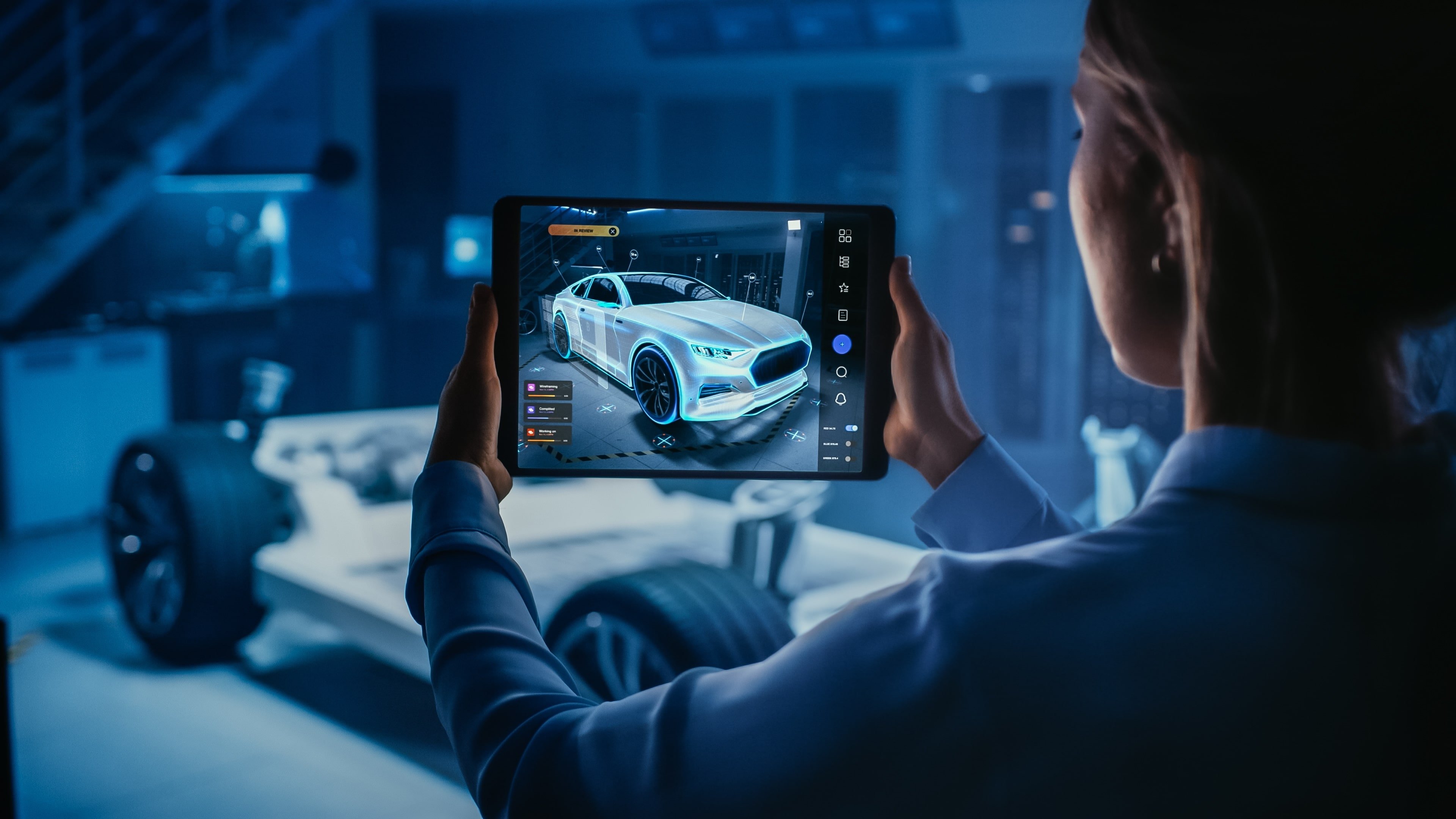
Step 2: Placement and Personalization: Once activated, the lens uses the phone’s camera to place a life-size or scale-model 3D rendering of the car into the user’s physical environment. The user can walk around it, zoom in on details, and even customize certain aspects like the exterior paint color or wheel style in real-time .
-
Step 3: Information Access: While interacting with the virtual car, the user can swipe through “Product Cards” on their screen. These cards provide key details pulled directly from the manufacturer’s catalog, such as the vehicle’s starting price, fuel economy, or key features .
-
Step 4: Seamless Transition to Purchase: If intrigued, the user can tap a button on the screen. This action can lead to a variety of next steps: building and pricing their exact configuration on the automaker’s website, viewing a list of local dealerships that have the model in stock, or even initiating a financing application, all without ever having to visit a dealership in person at that moment .
F. The Tangible Benefits for Brands and Buyers
The rise of AR car shopping is a win-win scenario for both the automotive industry and the consumer, addressing key pain points for each party.
For Consumers, the benefits are clear:
-
Convenience: Research a vehicle from the comfort of your couch, at your own pace, without the pressure of a salesperson.
-
Confidence: Visualize exactly how a car would look in your driveway or how its features compare to another model, leading to more informed decision-making .
-
Control: Interact with the product on your own terms, exploring the aspects that interest you most.
For Automotive Brands and Dealerships, the value proposition is equally strong:
-
High-Quality Engagement: AR captures undivided attention, creating a memorable brand interaction that is more impactful than a standard video ad .
-
Qualified Leads: By linking directly from an engaging AR experience to inventory or financing pages, the traffic generated is highly qualified, consisting of users who have already expressed a strong interest in the product.
-
Appeal to the Next Generation: AR is the native language of digital-first generations. Investing in this technology positions a brand as modern, innovative, and in tune with how younger consumers want to shop .
-
Data-Driven Insights: Brands can review SKU-level engagement, seeing exactly which colors or features are generating the most interest, providing invaluable feedback for product planning and marketing .
 G. The Road Ahead for Automotive AR
As the lines between the physical and digital worlds continue to blur, the role of AR in car shopping is poised to expand. We are moving beyond simple visualization towards truly immersive and integrated experiences. Future developments may include features like:
-
Collaborative Shopping: Allowing friends and family in different locations to view and interact with the same virtual car simultaneously, recreating the social aspect of car shopping.
-
Advanced Configuration: Using AR to visualize complex internal options, like different upholstery materials or ambient lighting packages, with photorealistic fidelity.
-
Integrated Ownership Experiences: The technology won’t stop at the point of sale. Imagine using AR to get a virtual tour of your new car’s features, or to overlay maintenance instructions onto the actual engine bay.
Snapchat has successfully evolved AR from a playful gimmick into a utilitarian and powerful commerce tool. By turning the car shopping experience into an interactive, engaging, and data-rich journey, it is not just helping people buy cars; it is fundamentally redefining the relationship between the consumer, the brand, and the road ahead. The virtual test drive is no longer a futuristic concept it is the here and now, and it is shifting the automotive industry into high gear.