In an automotive era dominated by touchscreens, driver-assistance systems, and the inevitable shift toward electrification, a historic British brand is shifting gears in the opposite direction. Jensen, a name whispered with reverence by purists and classic car enthusiasts, is staging a remarkable comeback. But this is not just another retro revival or a half-hearted electrification of a beloved model. It is a bold, defiant statement: the Fully Analog V8 Luxury GT Returns.
Led by Jensen International Automotive (JIA), this project promises to be the antidote to button overload and digital disconnection . By focusing on a pure, driver-focused experience, the new Jensen GT is gearing up to challenge the status quo and offer a deeply immersive motoring experience that seems almost rebellious in 2026. This article delves deep into the rebirth of this automotive icon, exploring its heritage, its engineering philosophy, and what enthusiasts can expect from this handcrafted British masterpiece.
The Legacy of the Jensen Interceptor
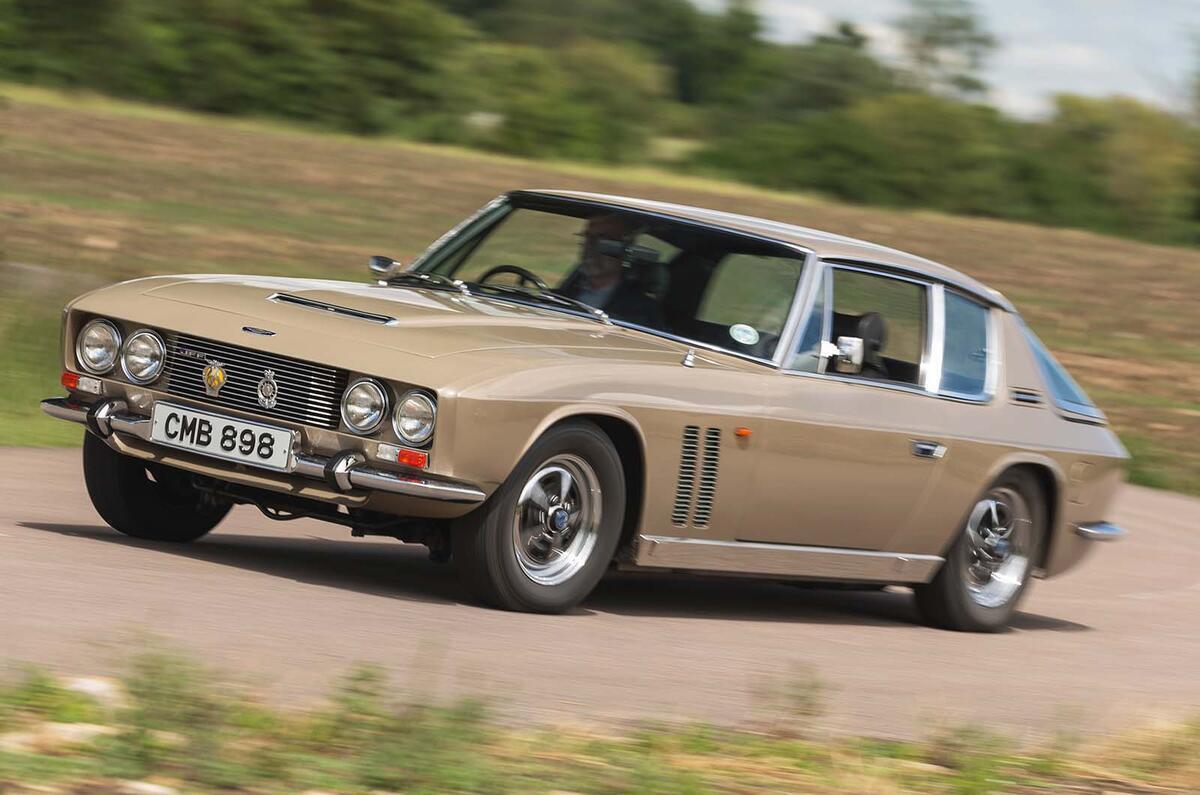
To understand the weight of this new model, one must first appreciate the legend that inspired it. The original Jensen Interceptor, produced from 1966 to 1976, was a anomaly in the automotive world a perfect transatlantic marriage of American muscle and British elegance .
Founded in 1934 by the Jensen brothers, Alan and Richard, Jensen Motors built its reputation on this unique formula. However, it was the Interceptor that became its crowning achievement. Instead of a traditional British sports car with a small, screaming engine, the Interceptor featured a powerful American V8. Early models utilized a 6.3-liter Chrysler V8, later upgraded to a massive 7.2-liter, providing effortless torque and a soundtrack that was distinctly transatlantic .
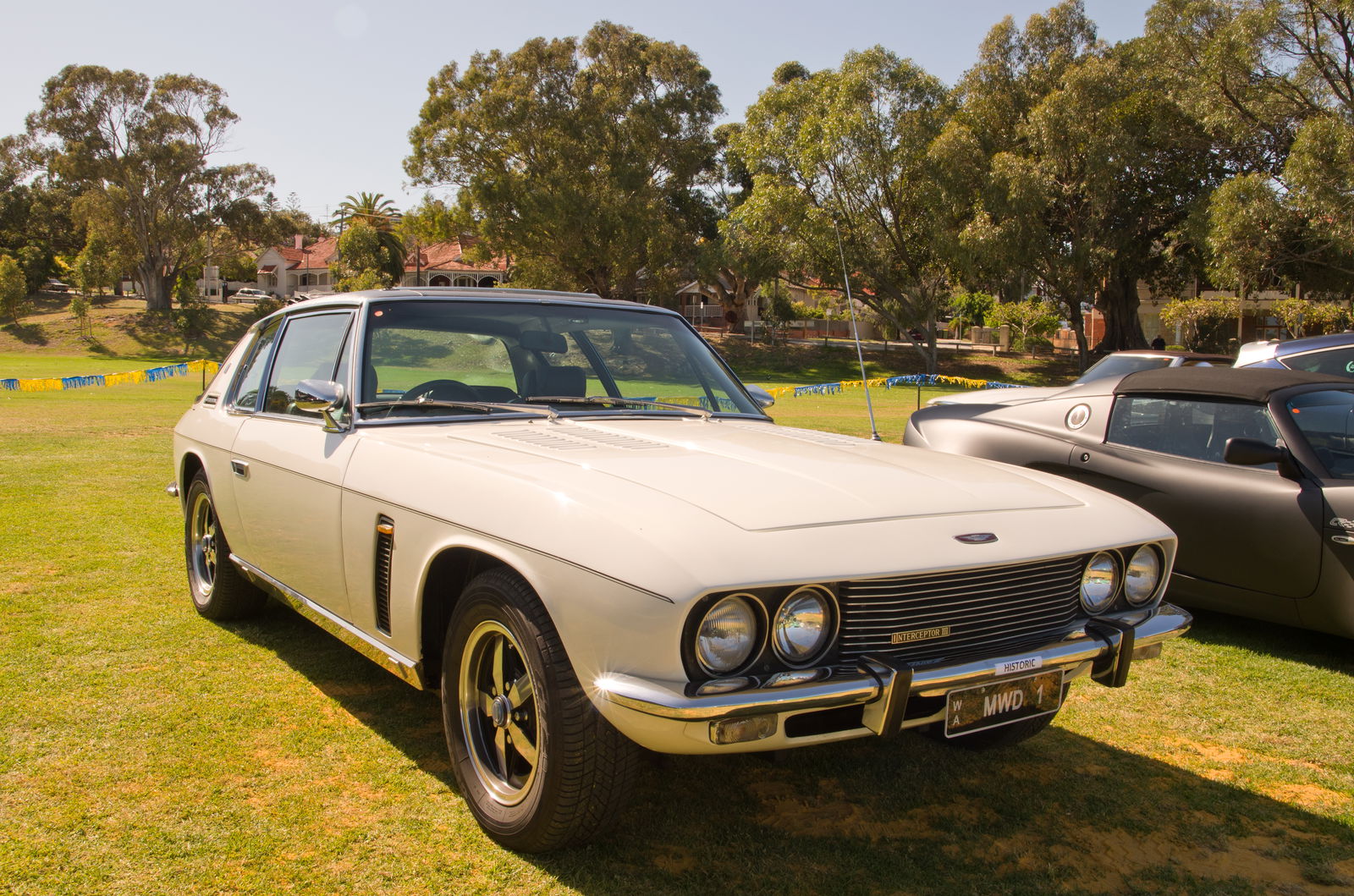
Visually, the car was a masterpiece. With styling by the renowned Italian design houses Touring and Vignale, the Interceptor featured a long, sweeping bonnet, a fastback roofline, and its most distinctive feature: a wraparound rear glass hatch that was years ahead of its time . Inside, it was a cocoon of luxurious British craftsmanship, featuring rich leather upholstery and polished walnut trim.
Perhaps most impressively, the Interceptor was also a technological pioneer. In 1966, the same year the standard Interceptor launched, Jensen unveiled the FF (Ferguson Formula). This model was the world’s first non-all-terrain production car to feature both permanent all-wheel drive (AWD) and anti-lock brakes (ABS) . Despite its innovation, the FF was expensive and complex, with only 320 units built before production ceased in 1971. The oil crisis and financial difficulties eventually shuttered the original Jensen Motors in 1976, but the legend of the Interceptor had already been cemented with around 6,400 units sold .
The Return: Jensen International Automotive (JIA)
The torch for keeping the Jensen dream alive has been carried for years by Jensen International Automotive (JIA). Based in Banbury, Oxfordshire not far from the original factory JIA has spent over a decade restoring and upgrading classic Interceptors . Their restomods, such as the Interceptor R, have been highly sought after, blending the timeless body of the original with modern running gear, suspension, and brakes. Some of these builds have even featured supercharged V8s producing over 550bhp, offering a taste of what the original could be with modern engineering .
However, the new project announced for 2026 is something entirely different. It marks JIA’s first-ever “clean-sheet” design a vehicle built from the ground up. David Duerden, managing director of Jensen International Automotive, has been careful to distance this new venture from the company’s previous work.
“Taking the theme of the luxury British GT to fresh, thoroughly modern heights, JIA’s first car is designed and engineered from the ground up to deliver an unmatched, deeply immersive, V8-powered driving experience. While it takes inspiration from the Jensen Interceptor launched 60 years ago, this is certainly no ‘restomod’ or ‘continuation’ and will stand proudly as a completely all-new car in its own right.”
This distinction is crucial. This is not a kit car or a modified classic; it is a brand-new luxury GT built for the modern world, but with a soul firmly rooted in the analog past.
 Design Philosophy: Homage to the 1960s Icon
While full details remain under wraps, JIA has released tantalizing teaser images that give a clear indication of the design direction. The silhouette is unmistakably reminiscent of the original Interceptor .
A. The Exterior Profile
The teaser images reveal a car with a sleek side profile characterized by an extremely long bonnet, a low, sloping roofline, and a pronounced fastback rear end . This “cab-rearward” design language is classic grand tourer, suggesting that the mechanical components are pushed far forward to allow for elegant proportions. The length of the car has led to speculation that it might actually be a four-door GT, a layout that would provide both stunning looks and surprising practicality . The stance is low and purposeful, hinting at the performance capabilities that lie underneath.
B. Modern Interpretation
While the proportions are a clear homage to the 1960s classic, the execution is thoroughly modern. The body lines are expected to be cleaner and more contemporary, free from the ornate chrome of the original. Aerodynamics will play a key role in the design, ensuring that the car is not only beautiful but also stable at high speeds. The original’s signature wraparound rear window is likely to be reinterpreted with modern materials and techniques, maintaining a visual link to its predecessor while looking firmly toward the future .
C. Handcrafted Construction
In keeping with the “luxury” aspect of its GT billing, the new Jensen will be handcrafted in the UK . This process ensures a level of attention to detail and build quality that mass-production robots simply cannot match. Each car will be a bespoke piece, tailored to the specific desires of its ultra-wealthy owner. This commitment to craftsmanship places it in the upper echelons of the automotive world, competing with the likes of Aston Martin and Bentley, but with a rarity that those brands, despite their low volumes, cannot match .
Engineering a “Fully Analog” Future
The most compelling part of Jensen’s promise is the “fully analog driving experience.” In a world where cars are increasingly defined by their software, Jensen is betting that there is still a market for drivers who value mechanical connection over digital convenience .
What does “Analog” mean in 2026?
For Jensen, it means prioritizing the driver’s connection to the machine. This philosophy manifests in several key areas:
-
Physical Controls: The cabin is expected to be filled with real buttons, switches, and dials rather than a single, monolithic touchscreen . Climate control, audio, and even drive modes (if they exist) will be managed through tactile interfaces that can be operated by feel, allowing the driver to keep their eyes on the road.
-
A Manual Gearbox: The reference to an “analog” experience strongly suggests the availability of a manual transmission . This is a near-extinct feature in the luxury GT segment, and its inclusion would be a major differentiator. For purists, the act of working a clutch and shifting gears with a precise mechanical linkage is the ultimate form of driver engagement.
-
Hydraulic Steering: While not confirmed, an analog philosophy would ideally extend to the steering system. Enthusiasts often lament the lack of feel in modern electric power steering systems. A well-tuned hydraulic system, while heavier on fuel and more complex, provides the kind of feedback that allows a driver to feel the road surface and the limits of the car’s grip.
-
Driver-Centric Displays: The instrument cluster will likely be analog or a digital re-creation of analog dials, prioritizing clarity and at-a-glance information rather than dense, configurable graphics.
The Heart of the Beast: The Bespoke V8 Engine
At the core of any great GT is its engine, and the new Jensen is promising something special. The company has confirmed that the car will be powered by a bespoke V8 engine . While the official source remains a mystery, strong speculation points toward a partnership with a major American manufacturer, staying true to the original transatlantic recipe.
A. The Corvette Connection
Multiple sources suggest that the engine could be the 6.2-liter LT2 V8 from the latest Chevrolet Corvette . In standard form, this engine produces a healthy 495bhp and 452lb-ft of torque . However, JIA has stated that the powertrain will be “bespoke” and tailored specifically for this car . This could mean anything from a unique intake and exhaust system to a comprehensive retune by a specialist firm like Cosworth, a legendary British engineering company with a history of creating high-performance engines .
B. Power and Performance
The original Interceptor’s V8 produced just over 250bhp, which was respectable for its time. The new car is expected to leapfrog far beyond that, with some estimates suggesting outputs well over 600 horsepower . This kind of power, channeled through a lightweight aluminum chassis, would transform the Jensen into a true super-GT, capable of embarrassing far more exotic machinery. The sound, too, will be a critical part of the experience. A bespoke exhaust system will likely be tuned to provide a deep, rumbling V8 burble at low speeds that crescendos into a furious roar as the tachometer climbs.
The Aluminum Chassis: A Foundation for Performance
To complement the powerful V8, the new Jensen will be built around a state-of-the-art aluminum chassis . The choice of aluminum is significant for several reasons:
A. Lightweight Construction
Aluminum is significantly lighter than traditional steel. By constructing the chassis from this material, JIA aims to give the new Interceptor a high power-to-weight ratio, which is essential for agile handling, rapid acceleration, and efficient braking . A lighter car is also more responsive to driver inputs, enhancing that “analog” feel.
B. Stiffness and Rigidity
Modern aluminum spaceframes can be engineered to be incredibly stiff. High torsional rigidity means the chassis provides a solid foundation for the suspension to work against. This results in more precise handling and allows the engineers to tune the suspension for comfort without sacrificing control a key requirement for a grand tourer designed to cover long distances swiftly and serenely.
Market Position and Rivals
The reborn Jensen is not aiming for mass-market appeal. With a planned production run described as “ultra-low numbers,” it is positioning itself in the rarefied air of boutique luxury automakers .
A. The Competitive Set
In the modern luxury GT segment, the new Jensen will naturally draw comparisons to established players like the Aston Martin DB12 and the Bentley Continental GT . These cars represent the pinnacle of British luxury motoring, offering exquisite interiors, powerful engines, and advanced technology.
However, the Jensen’s unique selling point its focus on an analog experience sets it distinctly apart. Where the Aston and Bentley showcase the latest 10-inch screens and complex drive-mode selectors, the Jensen will likely offer a sanctuary of calm, with a focus on the fundamentals of driving. It is a philosophical, rather than just a technical, difference.
B. Expected Pricing
Given its handcrafted nature, bespoke engineering, and extreme rarity, the new Jensen GT will command a price to match its exclusivity. Estimates suggest a price tag in the region of £500,000 . This positions it not just as a car, but as a collectible asset for serious connoisseurs. For context, the high-end restomods currently built by JIA range from £150,000 to £400,000, so a leap to half a million pounds for an all-new, ground-up design is plausible .
The Driver’s Experience: A GT for the Open Road
What will it actually feel like to drive? If Jensen delivers on its promises, the experience will be unlike anything else currently on sale.
Imagine settling into a hand-stitched leather seat, gripping a perfectly weighted steering wheel, and pressing a starter button that brings a bespoke V8 to life with a distant rumble. You select first gear with a manual shifter—a mechanical action that feels positive and direct. As you pull away, the steering is alive with information, feeding back details about the road surface. There are no beeps, no warnings, no intrusive lane-keeping assist. The car does not fight you; it flows with you.
On a winding country road, the lightweight aluminum chassis allows the car to change direction with a precision that belies its grand tourer proportions. The V8 pulls with relentless force from any rpm, making overtaking a mere flex of the right foot. On a long motorway haul, the cabin becomes a quiet, luxurious space, allowing you to arrive at your destination feeling refreshed rather than fatigued. This is the essence of a true grand tourer, and it is precisely the experience Jensen is trying to resurrect .
The Brazilian Connection: A Nod to the Uirapuru
An interesting subplot to the Jensen story involves Brazil, where the Interceptor is remembered not just as a British icon, but also for its striking similarity to a national classic: the Brasinca 4200 GT, also known as the Uirapuru .
Launched in 1964, two years before the Jensen Interceptor, the Uirapuru was a stunning Brazilian sports car designed by Rigoberto Soler. The visual similarities between the two cars, particularly in the fastback roofline and rear glass, have fueled decades of debate among enthusiasts about whether the British car was inspired by the Brazilian design .
While there has never been any official acknowledgment of a connection, the revival of the Jensen brand inevitably brings this old debate back to the surface. For Brazilian car fans, the new Jensen carries with it a ghost of their own automotive heritage, making its return a topic of fascination even in South America .
 Conclusion: A Hero for the Digital Age
The return of the Jensen Interceptor as a fully analog, V8-powered luxury GT is one of the most exciting automotive stories of 2026. It represents a calculated risk by Jensen International Automotive, betting that there is a passionate audience of drivers who are overwhelmed by technology and yearn for a more pure, more connected driving experience.
By combining timeless design proportions with a lightweight aluminum chassis and a powerful, bespoke V8, JIA is creating a car that honors its past while looking boldly toward the future. It will not be for everyone its price and exclusivity ensure that but for the few who get to experience it, the new Jensen promises to be the ultimate antidote to the digital age: a handcrafted, driver-focused machine built for the love of the road.
As we await its possible debut at events like the Goodwood Festival of Speed, one thing is clear: the British luxury GT is not dead. It just smells of leather and gasoline, and it sounds exactly like a V8 should.