In the world of design and engineering, the corner has long been a point of contention. In vehicles, conventional corners force a compromise between powertrain, suspension, and steering. In buildings, they are weak points for thermal loss and structural stress. In furniture, they often represent dark, inaccessible voids. That narrative is rapidly changing. Across multiple industries, a new wave of innovation is turning the corner from a limitation into an opportunity. Modular smart corner systems have been unveiled that promise to redefine efficiency, functionality, and sustainability.
This article delves deep into these groundbreaking unveilings, exploring how technology is transforming the humble corner into a hub of intelligence and modularity. From electric vehicles (EVs) that can turn on the spot to building components that eliminate thermal bridging and kitchen cabinets that offer complete access, we explore the innovations reshaping our world, one corner at a time.
The Automotive Revolution: Redefining the Wheel
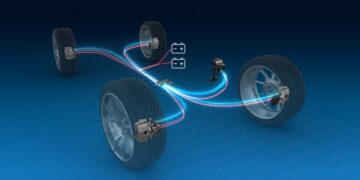
The most significant unveilings in smart corner technology are happening in the automotive industry. Traditionally, a vehicle’s corner the wheel assembly is a passive collection of parts. The new wave of automotive smart corner modules completely reimagines this concept by integrating critical systems propulsion, steering, braking, and suspensiondirectly into a single, compact unit at each wheel. This represents a fundamental shift from centralized mechanical systems to decentralized, intelligent, and software-controlled architectures .
A. Understanding the E-Corner Module
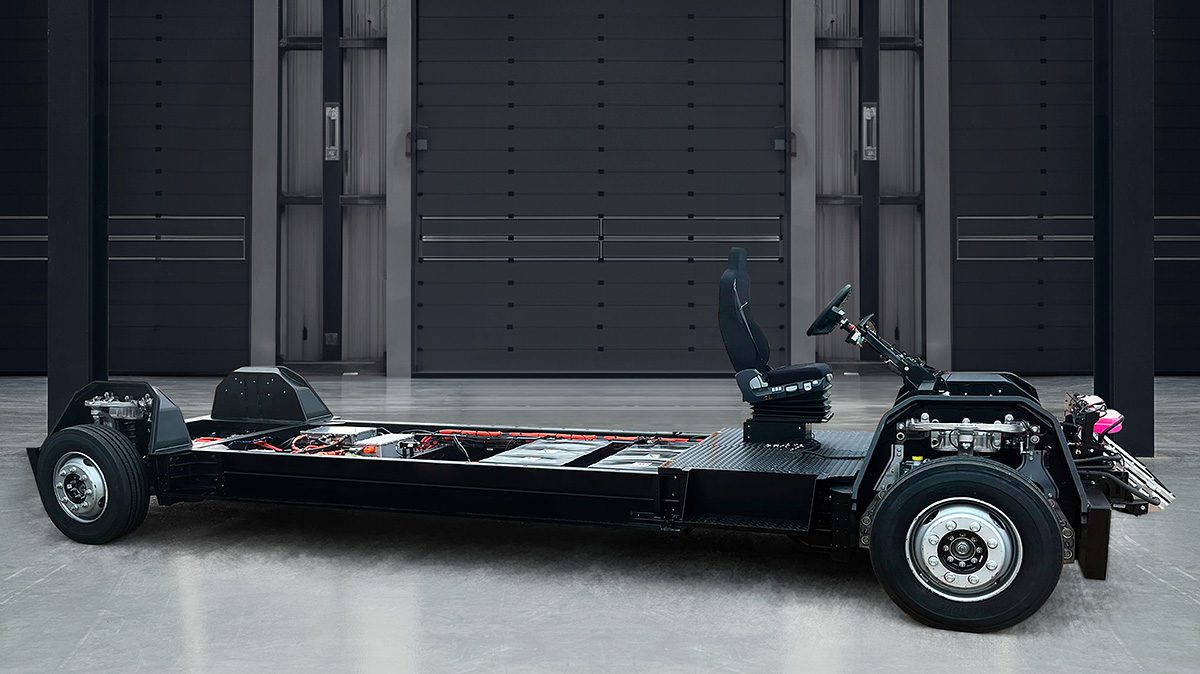
An e-Corner system is an advanced, modular technology designed to control vehicle motion and dynamics with unprecedented precision. It is designed as a detachable unit connected to a specialized vehicle platform, typically a “skateboard” chassis, via bolted connections and a power connector . This design facilitates ease of assembly and offers tremendous modular design flexibility.
All functions within an e-Corner system are managed through an integrated electrical control system that communicates with the vehicle’s central control unit. Depending on the configuration, a vehicle can utilize either a tri-motor or quad-motor setup, with motors placed inside or near the wheels . This integration unlocks driving modes that were once the stuff of science fiction, such as:
-
Crab Walking: All four wheels turn in the same direction, allowing the vehicle to move diagonally.
-
Zero-Turn Radius: Wheels on one side rotate forward while the others rotate backward, enabling the vehicle to spin 360 degrees on the spot.
-
Pivot Turn: The vehicle rotates around a fixed point, such as one of its rear wheels, making parallel parking effortless .
B. The Driving Forces Behind the Technology
Several key market dynamics are accelerating the development and adoption of these systems.
1. The Platformization of Electric Vehicles:
The shift towards dedicated EV platforms, particularly the skateboard architecture, is a primary driver. These flat, modular chassis combine the battery pack and powertrain, creating the perfect foundation for integrating e-Corner modules. Automakers can now develop a diverse lineup of vehicles from sedans to pickup trucks from a single platform, significantly reducing development time and costs. For instance, BYD’s luxury models, the Yangwang U8 and U9, are built on the company’s e4 platform and are integrated with advanced e-Corner systems, demonstrating the commercial viability of this technology .
2. The Demand for Autonomous and Flexible Mobility:
As we move towards a future of autonomous vehicles, the need for enhanced maneuverability becomes critical. Self-driving shuttles and robotaxis operating in dense urban environments will need to navigate tight spaces and perform complex maneuvers that are impossible for conventional cars. E-Corner systems, with their independent wheel control, provide this essential agility. This capability aligns perfectly with the goals of smart city development, where optimizing infrastructure use and reducing traffic congestion are paramount .
 C. Market Growth and Key Players
The automotive smart corner module market is not just a futuristic concept; it is a rapidly expanding industry. According to recent market analysis, the global market for these systems is on an explosive trajectory. QY Research Inc. reports that the market, valued at approximately US$ 151 million in 2024, is projected to reach US$ 693 million by 2031, growing at a compound annual growth rate (CAGR) of 16.8% . Other reports from MarketsandMarkets are even more bullish, forecasting the market volume to grow from 128,000 units in 2024 to a staggering 3.1 million units by 2035, at a CAGR of 33.7% .
This growth is fueled by intense activity from major automotive suppliers and innovative startups. Key players dominating this space include:
-
Continental AG (Germany): A leading Tier 1 supplier investing heavily in integrated corner modules.
-
Hyundai Mobis (South Korea): They have demonstrated the “MOBION” concept vehicle, which uses e-Corner modules to perform crab-walking and zero-turn rotations, showcasing the technology’s real-world potential .
-
Schaeffler AG (Germany): Actively developing intelligent corner modules for future mobility platforms .
-
Protean Electric (UK): A specialist in in-wheel motor technology, a critical component of the smart corner system. They recently announced the successful validation of their Gen 5 in-wheel motor .
-
Elaphe Propulsion Technologies (Slovenia): A key innovator in in-wheel motors, actively collaborating on European research projects to advance the technology .
The Asia-Pacific region, led by China, Japan, and South Korea, is expected to hold the largest market share due to its robust automotive manufacturing base and rapid adoption of EVs . However, North America is projected to experience the highest growth rate, driven by demand for high-performance electric SUVs and pickup trucks from companies like Tesla (Cybertruck) and General Motors (GMC Hummer EV), which utilize quad-motor configurations for superior off-road capabilities .
D. Challenges and the Road Ahead
Despite its immense potential, the path to widespread e-Corner adoption is not without obstacles.
-
High Costs: The technology relies on advanced, expensive components like X-by-Wire systems (brake-by-wire, steer-by-wire) and sophisticated software, which increases manufacturing complexity and cost .
-
Infrastructure Scalability: Our current urban infrastructure roads, parking lots, and traffic regulations is designed for conventional vehicles. Features like zero-turn and crab-walking may require updates to traffic laws and road designs to be used safely and effectively .
-
Regulatory and Manufacturing Adaptation: Governments and automakers must adapt regulations for these new capabilities. Simultaneously, traditional automakers face the challenge of redesigning their manufacturing processes and vehicle platforms to integrate these modular systems, which can be met with resistance due to the significant investment required .
Nevertheless, the opportunities far outweigh the challenges. As the technology matures and production scales up, costs will decrease, paving the way for e-Corner modules to become a standard feature in the next generation of electric and autonomous vehicles.
Building a Better Future: Seamless Modular Construction
The concept of a “smart corner” is not confined to the automotive world. In the construction industry, a different type of modular corner system has been unveiled to solve age-old problems of structural integrity and energy efficiency. Traditional building corners, often assembled from multiple pieces of lumber and insulation, are prone to “thermal bridging”—where heat escapes through the more conductive framing materials—and are structurally weaker due to multiple seams .
A. The Modular Seamless Corner Component
A recently patented innovation, the “modular seamless corner component,” addresses these issues head-on . Invented by Charles H. Leahy, this technology represents a fundamental shift in how building corners are manufactured and assembled.
Instead of building a corner on-site from individual studs and insulation, this system uses a pre-fabricated, substantially L-shaped component. It consists of three main layers:
-
An Outer Sheath: Provides the exterior surface and structural protection.
-
An Inner Sheath: Forms the interior wall surface.
-
A Continuous Insulation Layer: Sandwiched between the inner and outer sheaths.
The key innovation is that all three layers are continuous around the bend of the L-shape. This means there are no seams, joints, or breaks in the insulation at the corner . The benefits of this design are profound:
-
Enhanced Structural Integrity: By eliminating vertical studs and seams at the corner, the component avoids the “magnified stress” points that can fail under sheer forces from high winds or seismic events. The continuous structure distributes stress more evenly, creating a stronger, more resilient corner .
-
Superior Energy Efficiency: The continuous insulation layer eliminates thermal bridging. Because the insulation is unbroken, heat has no path of least resistance to escape, significantly improving the building’s overall energy performance .
B. Manufacturing and Assembly
The patent describes an efficient manufacturing process where foam insulation is injected between the inner and outer sheaths. As the foam cures, it adheres to both surfaces with tremendous bonding strength (at least 50 pounds per square inch), creating a monolithic, structural sandwich panel .
These modular corners are designed for quick and easy assembly. They can include features like embedded top plates and straps that allow them to be securely fastened to adjacent wall panels and the foundation. This system promises to cut down on-site construction time, reduce material waste, and result in buildings that are not only more comfortable and energy-efficient but also more durable .
Smarter Living Spaces: Intelligent Corner Storage
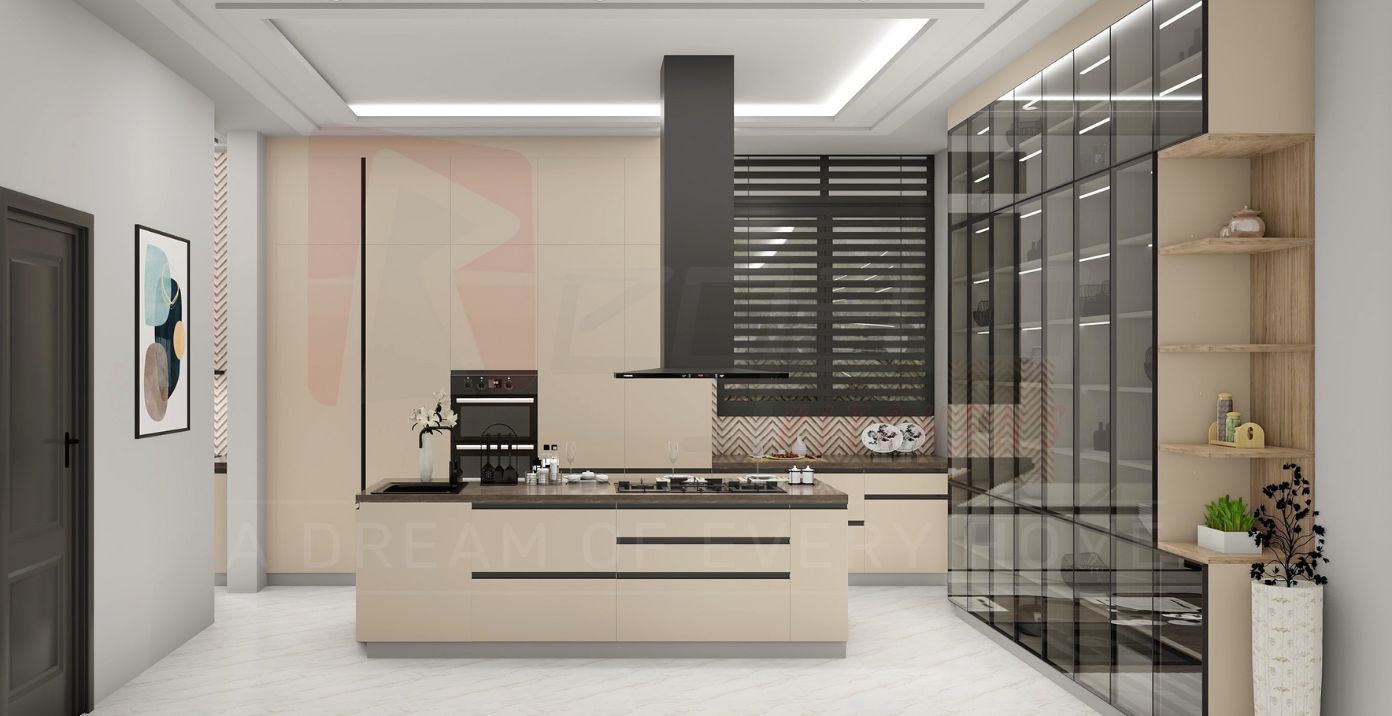
On a more domestic scale, the “unveiling” of smart corner solutions has also transformed the modern kitchen. For decades, corner base cabinets were notorious for their inaccessibility, often relying on “lazy susans” or deep, dark shelves where items would inevitably get lost.
A. The SPACE CORNER Revolution
Companies like Julius Blum GmbH have addressed this with highly engineered solutions like the SPACE CORNER system . This isn’t just a simple pull-out shelf; it’s a fully integrated, modular corner cabinet system that redefines corner storage.
Unlike traditional solutions, the SPACE CORNER utilizes full-extension pull-outs that bring the entire cabinet contents to the user. This provides clear visibility and eliminates the need to bend down and reach into a dark corner. Key features include:
-
Optimal Space Utilization: Every inch of the corner space is used, turning a dead zone into prime storage for pots, pans, and kitchen appliances.
-
Standard Front Compatibility: The intelligent SYNCROMOTION mechanism allows the cabinet to use standard drawer fronts. When opened, the fronts swing inward to avoid interfering with adjacent cabinet doors, maintaining a seamless kitchen aesthetic .
-
High-Quality Motion and Load Capacity: Even when fully loaded (up to 65 kg), the drawers glide smoothly and close softly with integrated BLUMOTION dampening systems. They can also be combined with SERVO-DRIVE for touch-activated opening .
This type of innovation proves that a “smart corner” can also mean a more ergonomic and user-friendly living space. By applying sophisticated mechanical design to a common problem, companies are turning wasted space into highly functional storage, making daily life a little bit easier.
 Conclusion: A New Perspective on Corners
The unveiling of modular smart corner systems across diverse fields signals a broader technological trend: the move towards integration, intelligence, and decentralization. Whether it’s an electric vehicle performing a zero-turn maneuver, a building standing strong against a hurricane, or a kitchen drawer gliding out with a full load of cookware, the common thread is a rethinking of the corner as a dynamic and functional element.
In the automotive sector, we are witnessing the birth of a new paradigm that will be crucial for autonomous and electric mobility. In construction, we see a path toward more sustainable and resilient buildings. And in our homes, we experience the immediate ergonomic benefits of intelligent design.
As research continues and these technologies mature, the boundaries of what’s possible will continue to expand. Projects like the EU-funded SmartCorners initiative, which brings together partners like UEMI and Elaphe, are already working to boost EV range by 20% and cut development time by 30%, ensuring that these smart systems are not just innovative, but also practical and accessible . The corner, once an afterthought, has finally stepped into the spotlight as a key to a smarter, more efficient, and more flexible future.