The modern automobile is no longer just a machine of gears, pistons, and fluids; it is a sophisticated computer network on wheels. At the heart of this digital transformation lies the infotainment system. Once a simple AM/FM radio with a cassette player, it has evolved into a central command center controlling navigation, communication, climate settings, and vehicle diagnostics. However, as these systems have grown in complexity, so have their failures. Despite advancements in processing power and software architecture, infotainment glitches continue to haunt drivers, turning what should be a seamless experience into a daily frustration.
From unresponsive touchscreens to Bluetooth that refuses to pair, these digital hiccups are more than just minor annoyances. They can distract drivers, degrade the perceived quality of a vehicle, and even lead to expensive repair bills once the warranty expires. This article delves deep into the persistent world of infotainment system failures, exploring the common types of glitches, their root causes, the impact on the driving experience, and what the future holds for automotive user interfaces.
The Most Common Infotainment System Failures
Drivers across all major automotive brands report a startlingly similar set of problems. While the physical buttons of yesteryear rarely failed, their digital successors are proving to be temperamental. Understanding these common issues is the first step in addressing the broader problem.
A. Unresponsive or Laggy Touchscreens
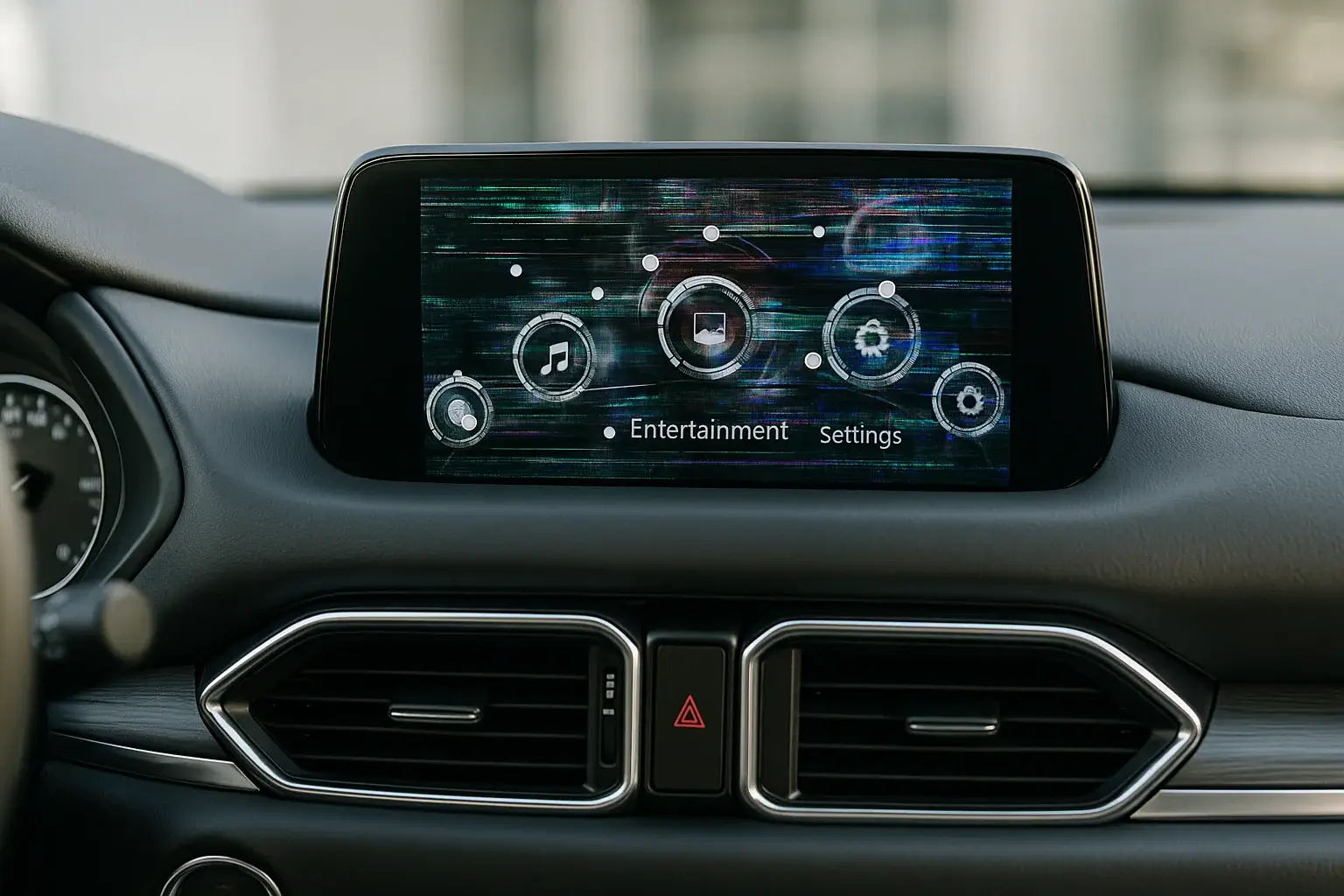
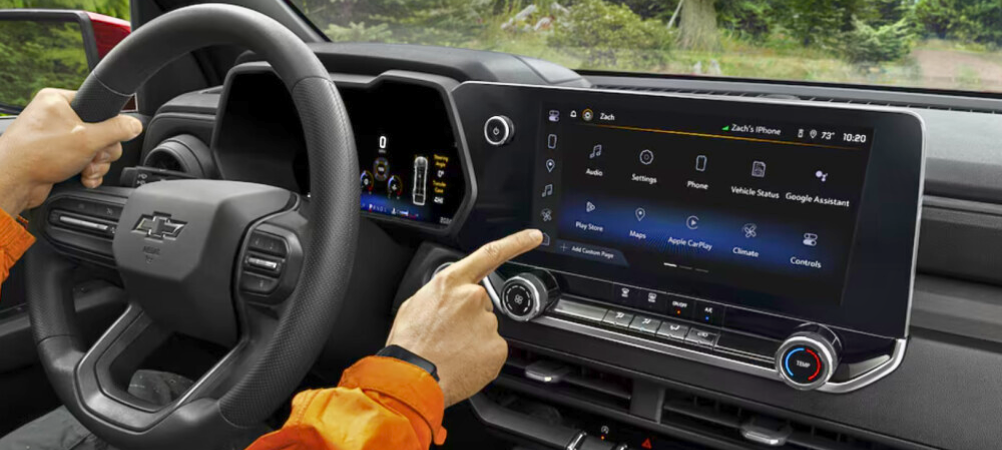
One of the most frequently reported complaints is the unresponsive touchscreen. Drivers expect immediate feedback when they press an icon to change the radio station or adjust the temperature. However, many systems suffer from significant lag, where there is a noticeable delay between the user input and the system’s response. In severe cases, the screen may freeze entirely, refusing to accept any input until the vehicle is restarted. This not only causes frustration but can also be dangerous if a driver is distracted while trying to get the system to respond.
B. Smartphone Integration Failures (Apple CarPlay and Android Auto)
Smartphone integration has become a non-negotiable feature for most new car buyers. Yet, these connections are notoriously unstable. Common issues include:
-
Intermittent Disconnections: The phone may connect for a few minutes, only to suddenly disconnect and then attempt to reconnect, creating a loop of disruption.
-
Failure to Launch: The infotainment screen may simply refuse to recognize that a smartphone is plugged in via USB or paired wirelessly.
-
Audio Distortion: Calls or music played through the system may be plagued by popping sounds, echoes, or complete audio dropouts.
C. Bluetooth Connectivity Problems
Even for drivers who prefer the car’s native interface, Bluetooth remains the standard for hands-free calling and audio streaming. Persistent glitches in this area include:
-
Difficulty in pairing new devices.
-
Contacts failing to sync from the phone to the car.
-
The system randomly forgetting previously paired devices.
-
Audio streaming that stutters or skips.
D. Navigation System Errors
Built-in navigation systems, once a premium selling point, are now often criticized for their glitches. These can range from the system displaying the wrong current location, to failing to update traffic information in real-time. Sometimes, the GPS signal is lost entirely, leaving the driver with a frozen map and no guidance. Unlike smartphone-based maps that are updated frequently, in-dash navigation systems often rely on outdated map data that requires expensive updates.
E. Complete System Freezes and Reboot Loops
Perhaps the most alarming glitch is when the entire infotainment system crashes. The screen may go black while driving, or it may get stuck on the brand’s logo splash screen. In some cases, the system enters a “reboot loop,” constantly restarting itself without ever fully loading the operating system. This renders all functions—including the backup camera, climate controls, and audio—completely useless.
Why Do These Glitches Happen?
The prevalence of these issues is not simply a matter of poor manufacturing. It is a consequence of the fundamental shift in how cars are designed and built. Automakers, traditionally experts in mechanical and electrical engineering, are now having to function as software and consumer electronics companies—a transition that has proven to be fraught with challenges.
A. Increased Software Complexity
Modern infotainment systems run on millions of lines of code. They must manage a real-time operating system, process inputs from various hardware components, communicate with the vehicle’s Controller Area Network (CAN) bus, and interface with external devices like smartphones. This level of complexity creates countless opportunities for bugs and software conflicts. Unlike a mechanical part, software cannot be easily inspected for defects before installation; its behavior is only truly revealed under real-world conditions.
B. Hardware Limitations
Automotive development cycles are long, often spanning three to five years. By the time a new car model hits the showroom floor, its infotainment hardware—the processor, RAM, and graphics chip—may already be several years old compared to the latest smartphones and tablets. This aging hardware is often tasked with running increasingly complex software and high-resolution displays, leading to the lag and sluggish performance that drivers complain about. Automakers are often reluctant to upgrade hardware mid-cycle due to cost and validation requirements.
C. Inadequate Software Testing
In the rush to bring new models and features to market, software testing is sometimes compromised. While automakers conduct extensive testing, it is nearly impossible to simulate the infinite number of variables present in the real world. Different smartphone models, various operating system versions, diverse environmental conditions, and unique user behaviors can combine to trigger obscure software bugs that were never caught in a controlled test environment.
D. The Rush of Over-the-Air (OTA) Updates
Over-the-Air (OTA) updates were supposed to be the silver bullet for infotainment glitches, allowing manufacturers to fix bugs remotely without a trip to the dealership. While OTA updates have certainly helped, they have also introduced new problems. A failed or corrupted update can “brick” the system, making it completely inoperable. Furthermore, some manufacturers have been criticized for using OTA updates to remove features or introduce new bugs, a practice that frustrates owners.
The Impact on Safety and Driver Distraction
While a frozen screen is an annoyance, it is also a significant safety hazard. The entire premise of modern infotainment systems is to reduce distraction by offering voice commands and large, easy-to-read displays. However, when these systems glitch, the opposite occurs.
The Distraction Dilemma
When a touchscreen freezes or a navigation system gives incorrect directions, a driver’s attention is diverted from the road. The natural human reaction is to try and “fix” the problem by poking the screen repeatedly or navigating through complex menus while driving. This cognitive load is a major contributor to distracted driving accidents. A system that is meant to be a convenience tool becomes a liability the moment it stops working as expected.
Loss of Critical Functions
The concern escalates when the infotainment system controls functions that are critical to safe driving. In many modern vehicles, the backup camera display is integrated into the infotainment screen. If the system crashes, the driver loses their rearview visibility. Similarly, if climate controls are only accessible via the touchscreen, a system failure on a hot or freezing day can make a vehicle uncomfortable or even dangerous. This consolidation of functions into a single, glitch-prone interface is a growing point of contention among safety advocates.
The Warranty Dilemma and Repair Costs
For new car owners, an infotainment glitch is typically covered under the bumper-to-bumper warranty. However, it is rarely a simple fix.
The “Software Glitch” Runaround
When a driver brings their car in for an infotainment issue, the most common dealership response is to perform a “hard reset” or a software reflash. This involves rebooting the system or reinstalling the operating system. While this sometimes works, it is often a temporary fix. If the problem is hardware-related, the issue will likely return. This leads to a frustrating cycle of multiple dealership visits for the same recurring problem.
Out-of-Warranty Nightmares
Once the vehicle’s warranty expires, the financial reality of a failed infotainment system sets in. These are not simple, inexpensive components. Replacing an infotainment unit can cost anywhere from $1,000 to over $3,000, depending on the vehicle’s make and model. This high cost is due to the unit being a specialized piece of hardware that integrates with so many of the vehicle’s other systems. Consumers who are used to buying a $300 tablet every few years are shocked to face such a massive repair bill for a car component that is only a few years old.
Brand-Specific Infotainment Woes
While no manufacturer is immune to software bugs, some systems have gained a notorious reputation among consumers and automotive reviewers.
-
Ford’s Sync System: Early generations of Ford’s Sync system, developed in partnership with Microsoft, were infamous for slow response times and voice command failures. While newer versions built on BlackBerry’s QNX have improved, the brand still faces occasional connectivity complaints.
-
Honda’s Display Audio: Honda’s decision to move climate and audio controls into a touchscreen interface in models like the Civic was met with widespread criticism not only for its poor ergonomics but also for its laggy performance and frequent system lockups.
-
Tesla’s MCU Failures: Tesla, being a tech-first company, relies heavily on its central touchscreen. However, the Media Control Unit (MCU) in older Model S and X vehicles was prone to memory chip failure, leading to blank screens and loss of functionality. This became the subject of a recall and class-action lawsuits.
-
Stellantis (Uconnect): While Uconnect is often praised for its user-friendly interface, it is not without its glitches. Owners frequently report issues with screen freezing, Apple CarPlay connectivity problems, and SiriusXM satellite radio malfunctions.
The Future of Infotainment: Can the Glitches Be Fixed?
The automotive industry is acutely aware of these problems. As vehicles become more defined by their software, the user experience (UX) of the infotainment system is becoming a key differentiator for brands. Several trends are emerging in an attempt to banish these glitches for good.
A. Platform Standardization
Many automakers are moving away from developing software in-house or using numerous different systems across their model ranges. Instead, they are partnering with big tech players. Google’s Android Automotive OS (not to be confused with Android Auto) is a fully integrated operating system being adopted by Volvo, Polestar, General Motors, and Renault. By using a platform designed from the ground up for cars but backed by Google’s software expertise, automakers hope to deliver a more stable, faster, and continuously updated experience.
B. More Powerful Hardware
Just as smartphone processors have become incredibly powerful, so too are automotive-grade processors. Companies like Qualcomm with its Snapdragon Digital Chassis are providing the computing power necessary to run multiple high-resolution displays, process AI voice commands, and handle complex graphics simultaneously without lag. This hardware headroom is essential for future-proofing the systems and ensuring smooth performance over the life of the vehicle.
C. Advanced AI and Voice Control
To reduce the need for drivers to interact with touchscreens, the industry is heavily investing in AI-powered voice assistants. The goal is to create a natural language interface that can understand complex commands (“I’m cold, find the nearest coffee shop, and call my wife”) without requiring the driver to look away from the road. As these systems become more reliable and conversational, they may lessen the frustration when the visual interface has a minor glitch.
D. Separation of Critical Functions
In response to safety concerns, there is a growing trend to separate critical vehicle functions from the main infotainment screen. Some automakers are retaining physical buttons or dedicated secondary displays for climate control and hazard lights. This ensures that even if the main screen freezes or reboots, the driver can still maintain a comfortable and safe cabin environment.
Conclusion
The automotive industry is in the midst of an identity crisis, struggling to balance its heritage of mechanical precision with the new demands of the digital age. Infotainment glitches are the most visible symptom of this struggle. They serve as a daily reminder that building a great car today requires more than just a powerful engine and a comfortable suspension; it requires flawless software.
While the current landscape is plagued with unresponsive screens and temperamental connections, the path forward is becoming clearer. Through partnerships with technology leaders, investment in robust hardware, and a renewed focus on safety and user experience, automakers are working to ensure that the digital interfaces in our cars become as reliable as the engines that power them. Until that day arrives, drivers will have to continue navigating not only the road ahead but also the occasional digital detour caused by the ghost in the machine. The ultimate goal is a seamless integration where the technology fades into the background, enhancing the drive without ever becoming the center of attention a goal that, for now, remains frustratingly elusive.